 info@coreflexphysio.ca
 21 Roysun Rd Unit 1, Woodbridge, ON L4L 8R3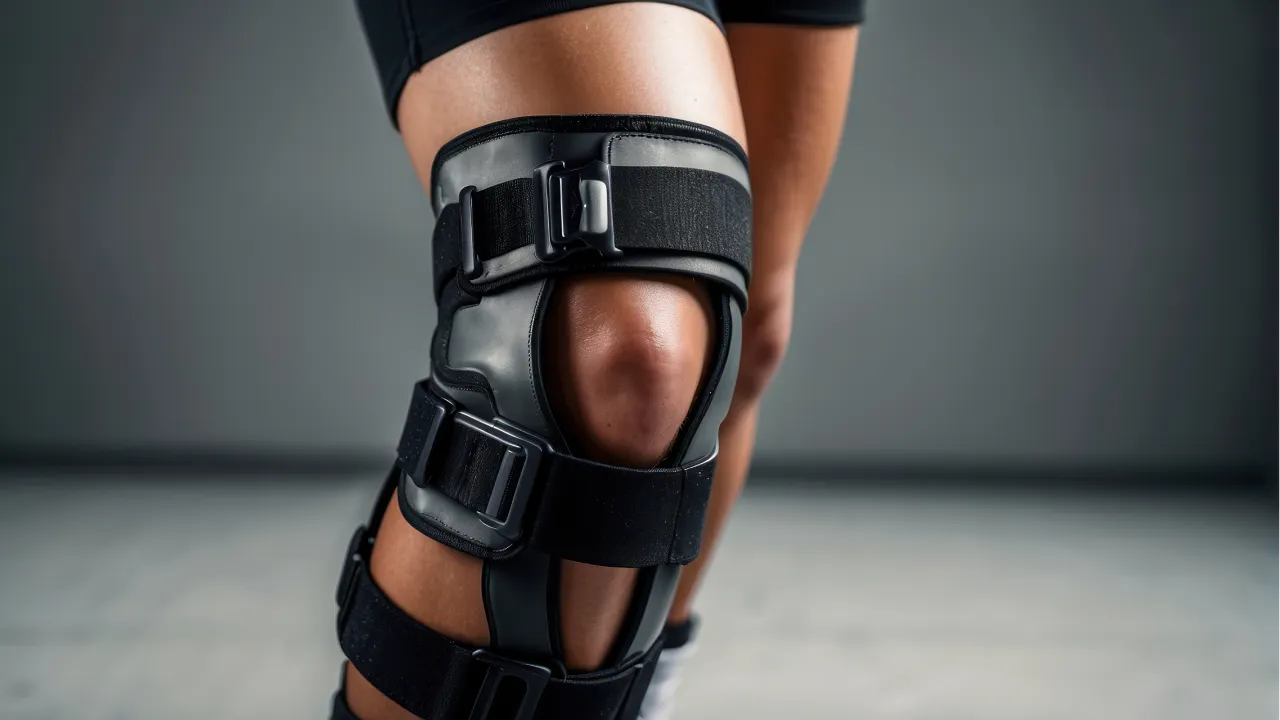
Understanding Joint Support and the Role of Orthopedic Braces in Woodbridge
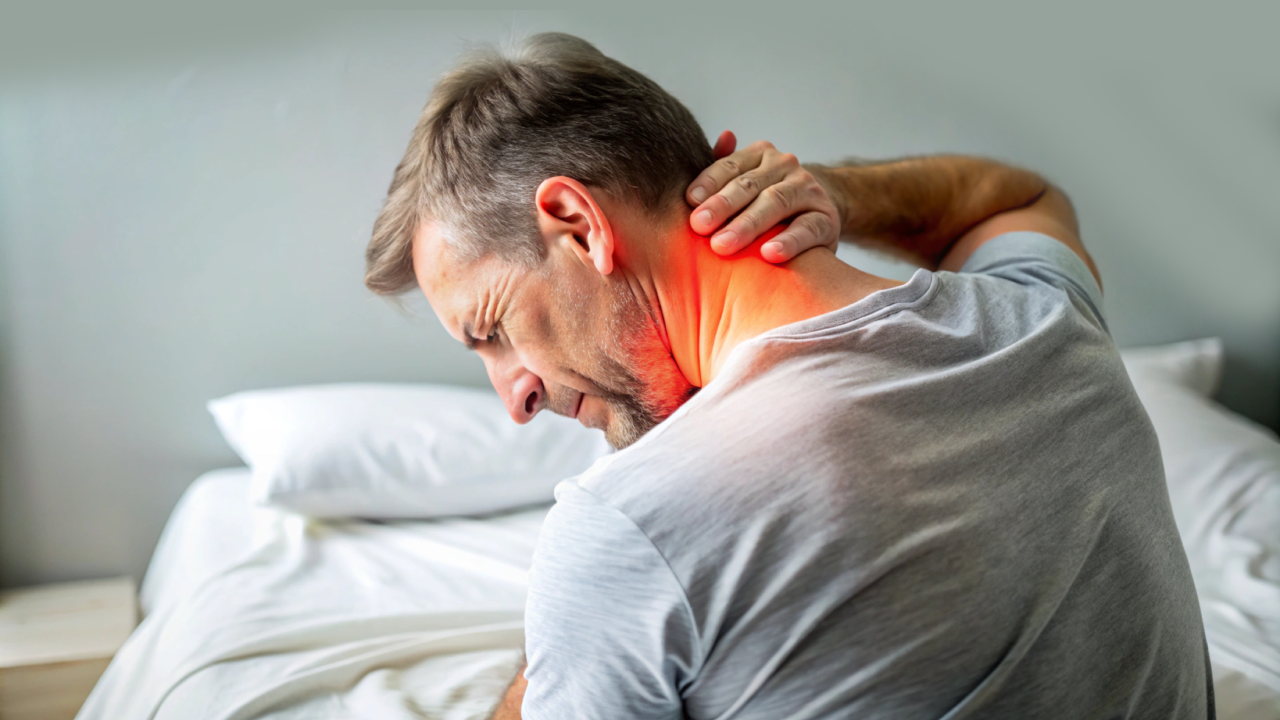
Joint weakness, instability, stiffness, and previous injuries can make everyday movement more difficult. Walking, climbing stairs, exercising, lifting objects, or participating in recreational activities may place additional stress on a vulnerable joint. For some people, an orthopedic brace can become part of a broader plan for managing movement and protecting a joint during daily activities.
Orthopedic Braces are supportive devices that may be used around areas such as the knee, ankle, wrist, elbow, or other joints. Depending on the type of brace, they may help limit certain movements, provide compression, improve joint stability, or provide external support during physical activity.
For people in Woodbridge, choosing a brace should not simply be based on appearance or convenience. The type of joint problem, activity level, body structure, and reason for wearing the brace can all affect which option is appropriate. A physiotherapy assessment can help identify movement concerns and determine whether external joint support has a place within an overall care plan.
What Are Orthopedic Braces?
Orthopedic Braces in Woodbridge are external supports worn around a joint or body region. They are available in different materials, shapes, and support levels. Some are flexible and allow a wide range of movement, while others provide firmer stabilization.
A brace may be used for several reasons. Someone recovering from an injury may need additional support while returning to everyday movement. Another person may have recurring joint instability and use a brace during particular activities. Athletes may also use certain braces when returning to sports after an injury.
The purpose of a brace varies according to the condition and the joint involved. A knee brace, for example, may provide support around the knee during walking or exercise, while a wrist brace may limit excessive wrist movement during work or daily tasks.
A brace should not automatically be viewed as a replacement for physiotherapy, exercise, activity modification, or medical assessment. In many situations, it is one component of a broader plan.
7 Reasons People Choose Orthopedic Braces for Joint Support
1. To Provide Additional Joint Stability
Joint instability can occur after an injury, because of weakness around a joint, or due to certain musculoskeletal conditions. When a joint does not feel stable, a person may become cautious about particular movements.
Orthopedic Braces in Woodbridge may provide external support around the affected area. Depending on the brace, this can help restrict unwanted movement while still allowing appropriate motion.
For example, someone with knee instability may feel uncertain while changing direction, walking on uneven surfaces, or participating in physical activity. A suitable knee brace may provide an additional layer of external support during these situations.
However, the brace should be selected according to the person’s condition. A brace that is too restrictive may interfere with normal movement, while one that provides insufficient support may not serve its intended purpose.
2. To Support a Joint During Physical Activity
Exercise places repeated demands on joints, muscles, tendons, and ligaments. People returning to activity after an injury may sometimes feel uncertain about how a joint will respond to increased physical demands.
A brace can provide additional external support during selected activities. Some people may use one during walking, recreational sports, strength training, cycling, or other forms of exercise.
The appropriate use depends on the joint and the underlying problem. A physiotherapist can assess movement patterns and discuss whether a brace may be suitable for a particular activity.
It is also important to remember that wearing a brace does not make a joint immune to injury. Proper warm-up, gradual progression, strength work, mobility exercises, and appropriate technique remain important parts of physical activity.
3. To Protect a Joint During Recovery
After an injury, a joint may require temporary protection while normal movement is gradually restored. Certain braces can help limit movements that place excessive stress on the affected area.
For example, a person recovering from a knee or ankle injury may use a brace during specific stages of activity. The level of support may change as mobility, strength, balance, and confidence improve.
Orthopedic Braces in Woodbridge can therefore be used as part of a staged return to everyday activities. The timing and duration of use should depend on the individual’s condition rather than a fixed schedule.
If swelling, numbness, increasing discomfort, skin irritation, or changes in joint function occur while wearing a brace, the person should stop and seek appropriate medical or physiotherapy advice.
4. To Help Manage Joint Instability
Some people notice that a joint feels as though it may shift, buckle, or move unexpectedly. This can affect confidence during walking and physical activities.
External support may help stabilize the area during selected movements. This can be particularly relevant for people who have experienced previous ligament injuries or recurring instability.
A brace does not correct the underlying cause of instability by itself. Strength, balance, coordination, mobility, and movement control may also need attention.
For people in Woodbridge, a physiotherapy assessment can help identify whether instability is connected with muscle weakness, restricted mobility, previous injury, movement habits, or another factor.
5. To Assist with Movement After an Injury
Returning to normal movement after an injury can require gradual progression. Some people may feel hesitant when putting weight through an affected joint or returning to activities they previously performed without concern.
Orthopedic Braces in Woodbridge may provide external support during selected stages of this process. The brace can serve as a physical reminder to avoid certain excessive movements while the person works on strength and movement control.
For example, someone returning to sport after a knee injury may initially use a brace during selected activities while also following an exercise program. As movement capacity changes, the role of the brace may also change.
This approach can help keep the focus on restoring functional movement rather than relying on external support indefinitely.
6. To Reduce Unwanted Joint Movement
Certain injuries and conditions require limits on specific movements. Depending on the joint, excessive bending, twisting, or side-to-side movement may increase stress on vulnerable tissues.
Some braces are structured to limit particular ranges of motion. Others provide compression or general support without significantly restricting movement.
The correct level of restriction matters. Excessive restriction can make ordinary movement difficult and may contribute to stiffness if used inappropriately.
A physiotherapy professional can assess the person’s movement needs and discuss whether a brace with a particular level of support is appropriate.
7. To Add Confidence During Daily Activities
Joint instability or a previous injury can sometimes make people cautious about everyday activities. A person may avoid stairs, outdoor walks, exercise, or recreational activities because they are concerned about the joint.
A properly fitted brace may provide a sense of external support during selected tasks. This can make it easier for some people to gradually resume activities while they continue working on strength, mobility, balance, and coordination.
Confidence should not become dependent on the brace, however. The wider aim should be to address the factors contributing to movement limitations while using external support when appropriate.
How Orthopedic Braces Can Support Weak or Injured Joints
Weak or injured joints may require additional support during certain activities. Orthopedic Braces in Woodbridge can work by applying external pressure, limiting selected movements, or helping stabilize a joint.
The exact function depends on the brace type.
Compression
Some braces provide compression around a joint. Compression may help control movement and provide a secure feeling around the affected area.
Stabilization
Structured braces may include rigid or semi-rigid components that help control movement. These may be used when a joint requires more external stability.
Movement Control
Some braces are created to restrict particular directions of movement. This can be useful when excessive movement may place stress on vulnerable tissues.
External Support During Activity
A brace may be used during specific activities when additional support is needed. For instance, someone may wear a knee brace while walking outdoors but not require it while resting at home.
The key point is that brace use should relate to the person’s condition and activity requirements. A brace that works for one person may not be appropriate for another person with a similar complaint.
Common Mistakes to Avoid When Wearing Orthopedic Braces in Woodbridge
Choosing a brace is only one part of the process. Wearing it incorrectly can create additional problems or reduce its usefulness.
Wearing the Wrong Size
A brace that is too tight may create excessive pressure, while a loose brace may move out of position. Always follow the manufacturer’s sizing instructions and check that the brace sits correctly.
Wearing It for Too Long
Some people assume that more brace use automatically means more support. This is not always the case. Depending on the condition, prolonged use may contribute to stiffness or dependence on external support.
Follow the wearing instructions provided by the appropriate healthcare professional.
Ignoring Skin Changes
Redness, rubbing, pressure marks, irritation, or numbness should not be ignored. Check the skin regularly, particularly when using a brace for extended periods.
Treating the Brace as a Substitute for Exercise
A brace can provide external support, but it does not strengthen muscles or improve balance on its own. Exercise may remain an important part of restoring movement capacity.
Buying a Brace Without Assessing the Problem
Joint discomfort can have many possible causes. Purchasing a brace without knowing what is contributing to the problem may result in using the wrong type of support.
A physiotherapy assessment can help identify movement limitations and determine whether a brace may be appropriate.
Wearing It During Every Activity
Not every activity requires external support. Some people may need a brace for particular movements but not for routine activities. The wearing schedule should reflect the reason the brace was recommended.
Ignoring Changes in Symptoms
If symptoms increase after wearing a brace, the fit, type, or wearing schedule may need to be reassessed. Numbness, tingling, significant swelling, skin changes, or increasing discomfort should receive prompt attention.
How to Choose the Right Orthopedic Brace
Different joints require different types of support. A knee brace, ankle brace, wrist brace, or elbow brace may have different structural features and purposes.
Before choosing one, consider:
- Which joint requires support?
- What caused the weakness or injury?
- Which movements create difficulty?
- Is the brace intended for everyday use or physical activity?
- How much movement should remain available?
- Does the brace fit securely without excessive pressure?
- Is physiotherapy or another form of care also needed?
For people in Woodbridge, discussing these questions with a physiotherapy professional can help connect brace use with the person’s movement goals.
When Should You Seek Professional Assessment?
A joint problem should not automatically be managed with a brace. Assessment may be appropriate when symptoms continue, movement becomes restricted, swelling develops, the joint repeatedly gives way, or an injury affects everyday activities.
Professional assessment can also be useful when a person is unsure which type of brace to purchase.
At CoreFlex Physio and Rehab, assessment may include discussion of symptoms, movement patterns, strength, mobility, balance, and activity requirements. This information can help determine whether external joint support has a role within the person’s care plan.
Orthopedic Braces and Physiotherapy
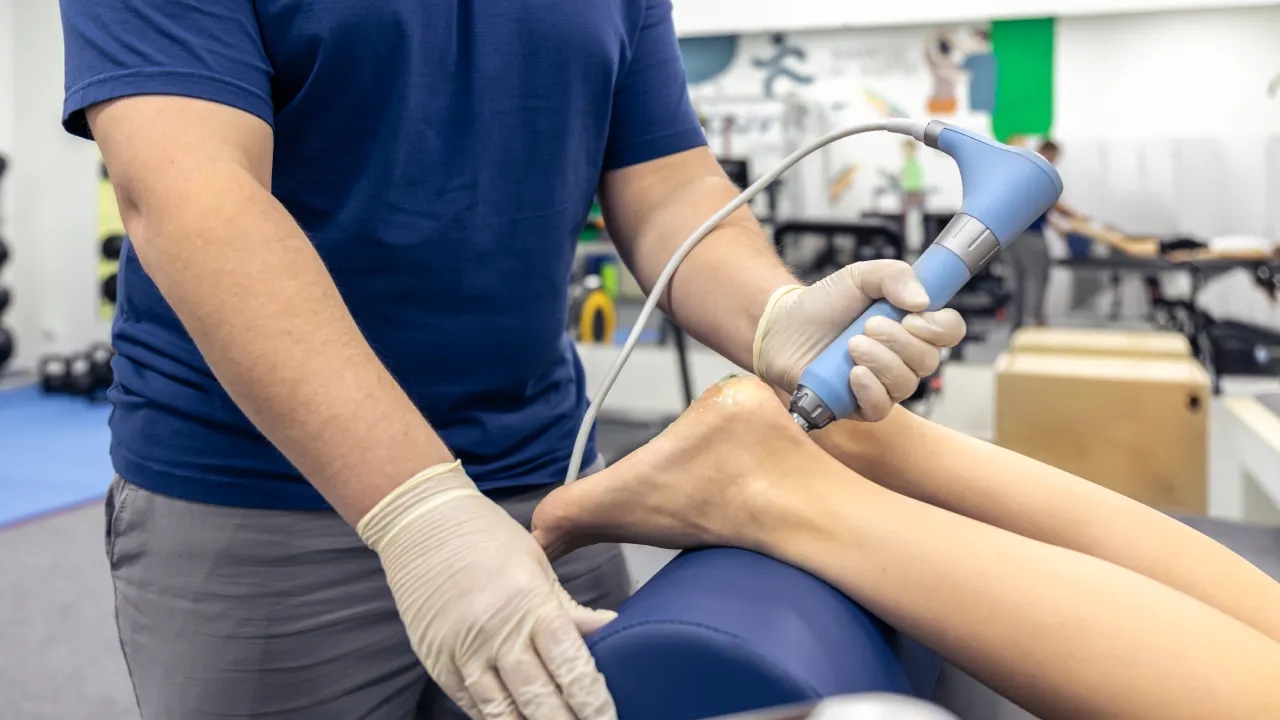
Orthopedic Braces can work alongside physiotherapy when external support is appropriate. Physiotherapy may focus on strengthening muscles around a joint, improving mobility, developing balance, improving movement control, and gradually returning to functional activities.
For example, someone with knee weakness may use a brace during selected activities while completing exercises for the muscles surrounding the knee. As strength and movement control improve, the need for external support may change.
This combination can help address both immediate support needs and the factors contributing to reduced joint function.
Why Professional Fitting Matters
A brace needs to sit in the correct position to perform its intended function. Incorrect positioning may reduce support or create unnecessary pressure.
A physiotherapy professional can review how the brace fits and how the person moves while wearing it. They can also discuss when it should be worn and when it may be appropriate to remove it.
This can be especially useful for people returning to exercise after an injury or those who have recurring joint instability.
Caring for Your Brace
Proper care can help keep a brace clean and functional.
Follow the manufacturer’s cleaning instructions and allow the brace to dry properly before wearing it again. Inspect straps, fasteners, padding, and structural components regularly. If any part becomes damaged or loses its intended structure, replacement may be necessary.
The brace should also remain clean, particularly when it is worn during exercise or for extended periods.
Frequently Asked Questions
1. What are Orthopedic Braces used for?
Orthopedic Braces are used to provide external support around joints that may be weak, unstable, or recovering from injury. Their function varies depending on the joint, brace type, and person’s condition.
2. Can I wear an orthopedic brace during exercise?
Some braces can be worn during exercise, but suitability depends on the injury, activity, and type of brace. A physiotherapy professional can help determine whether brace use is appropriate for a particular activity.
3. Can a brace replace physiotherapy exercises?
No. A brace provides external support, while exercises can address strength, mobility, balance, coordination, and movement control. In many cases, these approaches may be used together.
4. How tight should a joint brace be?
A brace should feel secure without creating excessive pressure. Numbness, tingling, skin irritation, significant pressure marks, or changes in circulation may indicate that the brace needs adjustment or reassessment.
5. Do I need a brace for every joint injury?
No. The need for a brace depends on the type and severity of the injury, joint stability, activity demands, and overall care plan. Some injuries may be managed without external bracing.
Get Started
If joint weakness, instability, or an old injury is affecting your daily activities, CoreFlex Physio and Rehab in Woodbridge can assess your movement and discuss suitable care options.
A physiotherapy assessment can help identify factors contributing to joint difficulties and determine whether a brace has a useful role alongside exercise and movement-based care.
Contact CoreFlex Physio and Rehab in Woodbridge to schedule an assessment and discuss your joint support needs.
Phone: +1 905-856-9265
Address: 21 Roysun Rd Unit 1, Woodbridge, ON L4L 8R3, Canada