 info@coreflexphysio.ca
 21 Roysun Rd Unit 1, Woodbridge, ON L4L 8R3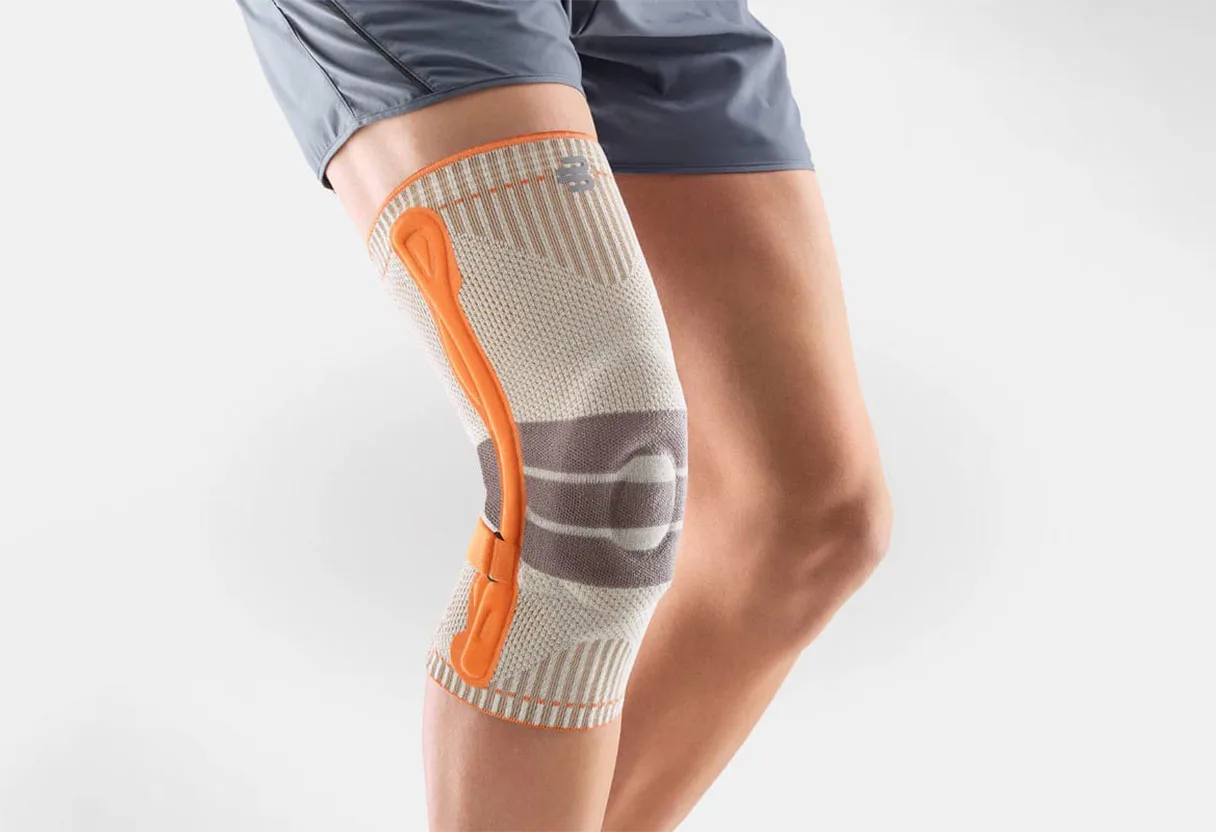
Orthopedic Bracing in Woodbridge, Ontario
CoreFlex Physio and Rehab provides orthopedic bracing services for individuals dealing with joint instability, sports injuries, post-surgical recovery, chronic musculoskeletal conditions, and Mobility limitations. Orthopedic braces are external devices designed to stabilize and protect joints and soft tissues during recovery and daily activities.
Serving Woodbridge, Ontario and surrounding communities, our orthopedic bracing solutions help patients manage movement restrictions, support injured areas, and improve functional Mobility while following rehabilitation programs prescribed by healthcare professionals.
What Is Orthopedic Bracing?
Orthopedic bracing is the use of medical support devices designed to stabilize, align, protect, or support muscles, joints, ligaments, and bones affected by injury, Surgery, degeneration, or medical conditions.
The purpose of orthopedic bracing is to:
- Support injured or weakened joints
- Restrict harmful movement during recovery
- Improve joint stability
- Assist with post-operative rehabilitation
- Reduce strain on affected body parts
- Support participation in work, sports, and daily activities
Orthopedic braces may be used for short-term recovery following an injury or Surgery, or for ongoing management of chronic conditions affecting Mobility and joint function.
Common types of braces include:
- Knee braces
- Ankle braces
- Wrist and hand braces
- Elbow braces
- Shoulder supports
- Back braces
- Cervical collars
- Custom orthotic support devices
Healthcare providers often recommend orthopedic bracing as part of a broader rehabilitation strategy that may include physiotherapy, exercise therapy, and Mobility training.
Who Can Benefit From Orthopedic Bracing?
Orthopedic bracing may benefit a wide range of individuals and organizations.
Individuals
- Athletes recovering from sports injuries
- Adults recovering from Surgery
- Seniors managing joint degeneration
- Workers recovering from workplace injuries
- Individuals with chronic musculoskeletal conditions
- People experiencing joint instability
Healthcare Patients
- Post-operative patients
- Arthritis patients
- Individuals with ligament injuries
- Individuals recovering from fractures
- Patients with tendon or muscle injuries
Employers and Organizations
- Workplace injury management programs
- Return-to-work rehabilitation initiatives
- Occupational health programs
- Insurance-supported recovery plans
Real-World Use Cases
- A patient recovering from ACL reconstruction may require a knee brace during rehabilitation.
- An office worker with wrist strain may use a wrist brace during recovery.
- A senior experiencing knee instability may use a support brace to assist with Mobility.
- An athlete recovering from an ankle sprain may use an ankle brace during sports participation.
Problems Orthopedic Bracing Solves
Orthopedic bracing addresses several common Mobility and recovery challenges.
Common Problems Addressed
- Joint instability
- Reduced Mobility following injury
- Post-surgical recovery challenges
- Repetitive strain injuries
- Ligament injuries
- Tendon injuries
- Chronic joint discomfort
- Weakness during rehabilitation
- Risk of re-injury
- Poor joint alignment
Situations That Often Lead to Bracing
- Sports injuries
- Workplace injuries
- Motor vehicle accident recovery
- Orthopaedic Surgery
- Arthritis-related joint issues
- Chronic musculoskeletal conditions
- Falls and traumatic injuries
- Return-to-activity programs
Key Features and Deliverables
Comprehensive Bracing Assessment
What It Includes
- Medical history review
- Physical evaluation
- Joint and movement assessment
- Functional Mobility evaluation
Why It Matters
Proper assessment helps identify the most appropriate brace and support requirements.
Expected Outcome
Accurate brace selection aligned with rehabilitation goals.
Brace Selection and Fitting
What It Includes
- Selection of a suitable brace type
- Professional fitting
- Adjustment for comfort and function
Why It Matters
A properly fitted brace improves support and usability.
Expected Outcome
Improved joint stabilization and support.
Education and Usage Training
What It Includes
- Wearing instructions
- Care recommendations
- Activity guidelines
Why It Matters
Proper use contributes to optimal function and safety.
Expected Outcome
Improved compliance and effective brace utilization.
Rehabilitation Integration
What It Includes
- Coordination with physiotherapy programs
- Functional movement recommendations
- Activity progression planning
Why It Matters
Bracing is often most effective when integrated into a structured rehabilitation program.
Expected Outcome
Support for recovery and functional improvement.
Follow-Up Evaluations
What It Includes
- Progress reviews
- Fit adjustments
- Functional reassessment
Why It Matters
Patient needs may change throughout recovery.
Expected Outcome
Continued support throughout rehabilitation.
How the Orthopedic Bracing Process Works
1. Consultation
Patients discuss symptoms, injuries, medical history, and rehabilitation goals with a healthcare professional.
2. Assessment
A detailed physical evaluation is completed to determine support requirements and brace suitability.
3. Planning
An individualized bracing plan is developed based on clinical findings and functional needs.
4. Implementation
The selected brace is fitted, adjusted, and introduced into the patient’s rehabilitation program.
5. Review
Progress is monitored, and brace effectiveness is evaluated during follow-up visits.
6. Ongoing Support
Additional adjustments, education, and rehabilitation recommendations are provided as recovery progresses.
Benefits of Orthopedic Bracing
Patients may experience several practical advantages from professionally fitted orthopedic braces.
Functional Benefits
- Enhanced joint stability
- Improved movement Confidence
- Support during physical activities
- Reduced stress on affected joints
- Assistance during recovery phases
Time-Related Benefits
- Support during rehabilitation
- Improved transition back to daily activities
- Assistance with return-to-work programs
Financial Benefits
- Potential reduction in complications associated with improper support
- Assistance with injury management programs
- Support for rehabilitation goals
Performance Benefits
- Improved functional movement
- Support during exercise and rehabilitation
- Assistance with activity participation
Industries and Customers Served
Orthopedic bracing services are applicable across multiple sectors.
Healthcare
- Physiotherapy clinics
- Rehabilitation centers
- Orthopaedic practices
Sports and Recreation
- Amateur athletes
- Competitive athletes
- Sports organizations
Workplace and Occupational Health
- Construction workers
- Manufacturing employees
- Office professionals
- Transportation workers
Insurance and Rehabilitation
- Motor vehicle accident recovery programs
- Workplace injury programs
- Disability management programs
Senior Care
- Retirement communities
- Independent living residents
- Aging adults managing Mobility concerns
Frequently Asked Questions
Orthopaedic bracing includes assessment, brace selection, fitting, education, follow-up evaluations, and integration into rehabilitation programs.
Initial assessments typically occur during a scheduled appointment, while follow-up timelines depend on the patient’s condition and recovery plan.
Referral requirements may vary depending on insurance coverage and healthcare provider recommendations.
Patients should provide relevant medical history, injury information, surgical history, and healthcare recommendations when applicable.
Common options include knee braces, ankle braces, wrist braces, elbow braces, shoulder supports, back braces, and other orthopaedic support devices.
Yes. Follow-up appointments help ensure proper fit, comfort, and ongoing support throughout rehabilitation.
Yes. Orthopaedic bracing is frequently incorporated into physiotherapy and rehabilitation programs.
Coverage varies by insurance provider and policy. Patients should verify eligibility with their insurer.
Service Areas
CoreFlex Physio and Rehab proudly serves:
Primary Service Area
- Woodbridge, Ontario
Surrounding Communities
- Vaughan
- Kleinburg
- Maple
- Concord
- Richmond Hill
- Thornhill
- Brampton
- Etobicoke
- North York
- Mississauga
- Toronto
Regional Coverage
- York Region
- Peel Region
- Greater Toronto Area (GTA)
Please contact our clinic to confirm availability for your location.
Why Choose CoreFlex Physio and Rehab
CoreFlex Physio and Rehab provides orthopedic bracing services from our Woodbridge clinic located at:
Our approach includes:
- Detailed clinical assessments
- Professional brace fitting services
- Integration with rehabilitation programs
- Patient education and follow-up support
- Knowledge of musculoskeletal rehabilitation and Mobility management
- Convenient access for patients throughout Woodbridge and the surrounding communities
For specific information regarding professional credentials, certifications, and clinical qualifications, please contact our clinic directly.
Related Services
Patients seeking orthopedic bracing may also benefit from:
- Physiotherapy
- Chiropractic
- Medical Acupuncture
- Osteopathy
- Telehealth Physio/Chiro
- Custom Foot Orthotics
- Compression Stockings
- Orthopaedic Bracing
- Rehab/Conditioning
- Corporation Outreach
- Pelvic Health Physiotherapy
- Shockwave Therapy
These services may complement orthopedic bracing as part of a rehabilitation strategy.
Contact Us or Directly Book An Appointment
To schedule an orthopedic bracing assessment, contact our clinic by phone or email.
Address: 21 Roysun Rd, Unit 1, Woodbridge, ON L4L 8R3
Phone: (905) 856-9265
Email: info@coreflexphysio.ca
What Happens Next?
- Contact our clinic.
- Schedule an assessment appointment.
- Complete a clinical evaluation.
- Receive brace recommendations and fitting.
- Begin your rehabilitation support plan.
- Attend follow-up visits as needed.
Response Time
Our team aims to respond to inquiries as promptly as possible during regular business hours.
Contact CoreFlex Physio and Rehab today to learn more about orthopedic bracing services in Woodbridge and surrounding Ontario communities.

 Contact No : (905) 856-9265