 info@coreflexphysio.ca
 21 Roysun Rd Unit 1, Woodbridge, ON L4L 8R3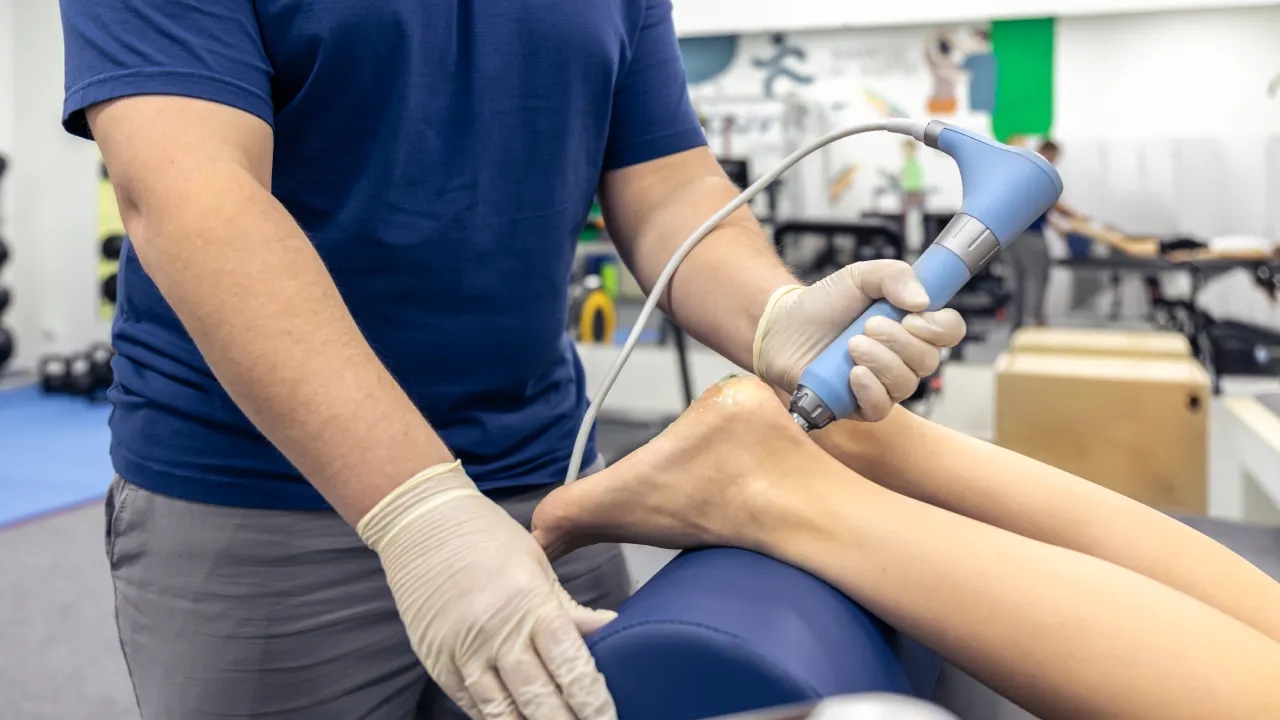

What to Know About Shockwave Therapy Safety Before Treatment
If you are considering Shockwave Therapy for a stubborn tendon or soft-tissue problem, it is reasonable to ask about safety before booking a session. The treatment uses acoustic waves to deliver mechanical energy into a selected area of the body. It is non-invasive, but non-invasive does not mean that every person or condition is suitable.
For people in Woodbridge, a sensible first step is a clinical assessment. The aim is to confirm the source of symptoms, check for factors that may make the procedure unsuitable, and decide whether this form of care fits the condition.
Is this treatment safe? For many adults, it has a generally favourable safety profile when used for an appropriate diagnosis and applied in suitable settings. Most reported reactions are temporary, such as soreness, redness, swelling, or bruising. Serious complications are uncommon, but they can occur, so screening matters.
7 Important Facts to Know Before Treatment
1. Mild soreness can happen.
During a session, the applicator delivers acoustic pulses to the treatment area. Some people feel tapping, pressure, or discomfort while the device is being used. The intensity can usually be adjusted according to tolerance.
Afterward, the treated area may feel tender. Redness, mild swelling, bruising, numbness, or a temporary increase in symptoms can also occur. These reactions commonly settle within several days. NHS patient information notes that symptoms generally resolve within about a week.
A short period of soreness does not automatically mean something has gone wrong. However, severe or worsening symptoms should be reported to the clinician who provided the procedure.
2. Not every condition is suitable.
This treatment is used in rehabilitation for several musculoskeletal problems, including some tendinopathies and plantar fascia conditions. The diagnosis matters because acoustic energy should be directed at an appropriate target.
It should not be used simply because an area hurts. A clinician should first consider whether the symptoms could be coming from a fracture, infection, complete tendon rupture, nerve problem, or another condition that needs a different form of care.
This assessment is particularly important when symptoms have appeared suddenly, followed a significant injury, or are accompanied by marked weakness, fever, unusual swelling, or other concerning signs.
3. Some medical factors can change the risk.
Certain conditions can make treatment inappropriate or require extra caution. Published clinical reviews and clinical recommendations identify factors such as pregnancy, active infection in the treatment area, malignant tissue in the treatment field, significant clotting problems, and treatment over certain sensitive structures as reasons to avoid or modify treatment.
Blood-thinning drugs or a bleeding disorder may increase the chance of bruising or a collection of blood under the skin. The decision depends on the type of wave, energy level, treatment site, and individual health factors. Do not stop a prescribed drug on your own to prepare for a session.
Implanted electronic devices, such as a pacemaker, also need to be discussed before treatment, particularly if the device is near the proposed treatment field.
4. Energy level and location matter.
Shockwave Therapy in Woodbridge is not one single type of procedure. Radial pressure waves and focused shockwaves have different physical characteristics and may be used at different energy levels. The location being treated also affects what settings are appropriate.
Too much energy for a particular tissue or situation may increase the chance of bruising, irritation, or other unwanted effects. Clinical reviews note that excessive dosing can raise adverse-event risk.
This is why a session should not be treated like a generic machine procedure. The clinician needs to identify the target, select suitable parameters, monitor your response, and make changes when needed.
5. Rare complications should still be discussed.
Serious complications are uncommon, but patients should know they are possible. Reported complications include hematoma, nerve irritation, swelling, and, in rare reports, tendon rupture.
The concern about tendon rupture is particularly relevant when there is already substantial tendon damage. A clinical review notes that imaging may be considered in some higher-risk cases, particularly when there is concern about an advanced tendon injury.
If you have a known or suspected tendon tear, tell your physiotherapist before a session. Shockwave should not be used as a substitute for diagnosing a significant structural injury.
6. What you do after a session matters.
Your clinician may recommend avoiding strenuous or impact-heavy activity for a short period after treatment. Some NHS protocols advise avoiding strenuous, symptom-provoking activity for around 48 hours.
That does not necessarily mean complete rest. In many rehabilitation plans, exercise remains an important part of care, with activity adjusted according to the condition and response.
If the area becomes sore after a session, follow the aftercare instructions provided by your clinician. Do not change prescribed drugs or add new products without checking whether they are appropriate for you.
7. A proper assessment comes before the machine.
One of the most important safety points is that the device is only one part of the process. Before treatment, the clinician should ask about your symptoms, previous injuries, health history, current drugs, recent procedures, and other factors that may affect suitability.
For Woodbridge residents, CoreFlex Physio and Rehab can assess whether shockwave therapy in Woodbridge is a reasonable option for your condition and discuss what to expect before proceeding.
The goal is not to promise that the procedure will work for everyone. Outcomes vary between people, and the research differs across conditions. A responsible plan considers the diagnosis, duration of symptoms, previous care, activity demands, and any risk factors.
What Should You Tell Your Physiotherapist First?
Before a session, tell your physiotherapist if you:
- Are pregnant or may be pregnant
- Have an active infection, open wound, or significant skin problem near the treatment area
- Have a known tumour or cancer affecting the proposed treatment field
- Have a blood-clotting disorder or take blood-thinning drugs
- Have a pacemaker or other implanted electronic device
- Have a suspected or confirmed tendon tear
- Recently had a steroid injection in or near the area
- Have had surgery or a major injury in the area
- Are taking antibiotics that may affect tendon health
The exact precautions depend on the condition, device, treatment site, and energy settings. Your clinician can decide whether treatment should proceed, be delayed, or be replaced with another approach.
Is Shockwave Therapy Safe for Everyone?
No single treatment is appropriate for everyone. Shockwave therapy in Woodbridge is generally regarded as low risk for suitable patients, but safety depends on correct patient selection, appropriate dosing, and accurate targeting. Recent clinical literature continues to describe common adverse effects as mild and temporary while emphasising screening for contraindications.
If you have been searching for “Shockwave Therapy in Woodbridge near me” in Woodbridge, avoid choosing a clinic based only on the availability of the machine. Ask whether the provider will assess your diagnosis, review your health history, explain potential side effects, and give you clear aftercare instructions.
5 FAQs
1. Does Shockwave Therapy hurt?
You may feel tapping, pressure, or discomfort during a session. The level varies by person and treatment site. Settings can often be adjusted if the sensation becomes too intense.
2. How long do side effects last?
Minor soreness, redness, swelling, or bruising usually settles within several days. NHS patient information states that these symptoms generally resolve within a week.
3. Can I exercise after Shockwave Therapy?
You may be able to continue normal daily activity, but strenuous or impact-heavy exercise may need to be reduced for about 48 hours, depending on the condition and the clinician’s instructions.
4. Can everyone with tendon pain have Shockwave Therapy?
No. The cause and severity of the tendon problem need to be assessed first. A complete rupture, significant structural damage, infection, or other medical concern may require a different plan.
5. How many sessions will I need?
The number varies according to the condition and response. Some NHS services use a course of four to six sessions, often spaced about a week apart, but your plan may differ.
Get Started
If you are considering Shockwave Therapy in Woodbridge, start with an assessment rather than assuming the procedure is right for your symptoms. CoreFlex Physio and Rehab in Woodbridge can review your condition, discuss potential risks, and explain whether this treatment fits into your rehabilitation plan.
Phone: +1 905-856-9265
Address: 21 Roysun Rd Unit 1, Woodbridge, ON L4L 8R3, Canada