
Pelvic Health Physiotherapy in Woodbridge — Seen by a Female Physiotherapist
Pelvic floor physiotherapy assesses and treats dysfunction of the pelvic floor muscles, ligaments, and connective tissue. At CoreFlex, you are seen by Ankita Vasoya — a female Registered Physiotherapist with advanced training in pelvic health, in a private, judgment-free space. Pelvic floor muscle training is proven more effective than no treatment for urinary incontinence (Dumoulin C et al., Cochrane Database of Systematic Reviews, 2018). Serving Woodbridge, Vaughan, Etobicoke, and the greater Toronto area. No referral needed. Direct billing available.
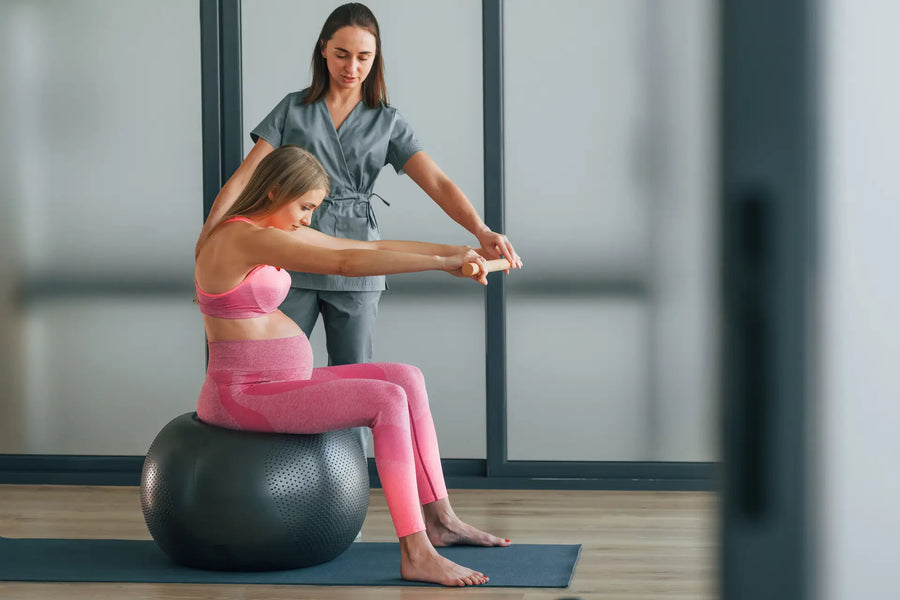
What Is the Pelvic Floor Therapy?
Why Is Pelvic Floor Physical Therapy Important to Your Body?
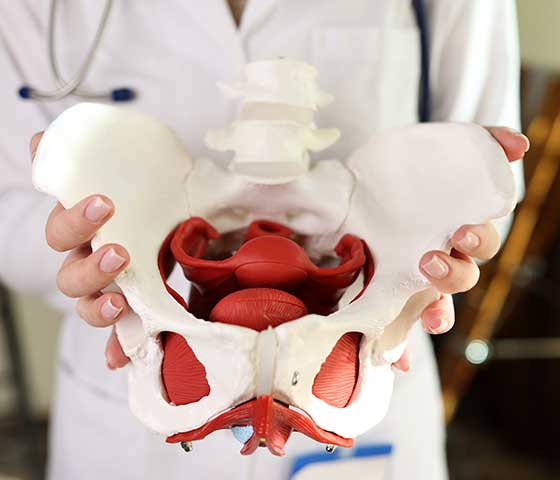
There are five ways that this group of pelvic muscles helps both men and women:
- Supports your organs (bladder, uterus, rectum, etc.)
- Stabilizes your pelvis and back
- Reduces joint pain
- Improves functions related to your urethra and rectum
- Improves sexual functions
- Supports healthy blood circulation
What Does a Pelvic Floor Physiotherapist Do?
- Manual therapy and soft tissue techniques
- Pelvic floor muscle training (strengthening or relaxation)
- Biofeedback and electrical stimulation
- Breathing and postural retraining
- Education on bladder and bowel habits
- Home exercise programs
Conditions We Treat
Pelvic floor issues are more common than you think — and very treatable.
You Don't Have to Live With This.
Book an AppointmentPrivate & confidential · Seen by a female Registered Physiotherapist · Direct billing to Sun Life, Manulife, Green Shield & more · Same-day appointments availableIs Pelvic Floor Physiotherapy Covered by OHIP?
Pelvic floor physiotherapy is not covered by OHIP. However, most extended health benefit plans cover physiotherapy services — including pelvic health. At CoreFlex, we offer direct billing to most major insurers so you can focus on getting better, not paperwork.
We recommend checking your plan's annual physiotherapy limit before your first visit. Our front desk team is happy to help you understand your coverage and maximize your benefits.
- Direct billing to most major insurers
- Sun Life, Manulife, Green Shield, Blue Cross & more
- WSIB and MVA claims accepted
- Flexible payment options available
- Receipts provided for manual reimbursement
Why It Works
Is Pelvic Floor Physiotherapy Worth It?
Yes — consistently. Research shows pelvic floor physiotherapy is one of the most effective first-line treatments for incontinence, pelvic pain, and postpartum recovery. It addresses the root cause rather than masking symptoms with medication or surgery.
Symptoms That Indicate You Need Pelvic Floor Therapy
These symptoms are common — but they are not normal. If you experience any of the following, pelvic floor physiotherapy can help.
Frequently Asked Questions
Everything you need to know about pelvic floor physiotherapy at CoreFlex.
What is pelvic floor physiotherapy?
Pelvic floor physiotherapy is a specialized area of physiotherapy focused on assessing and treating dysfunction of the pelvic floor muscles, nerves, and connective tissues. It is used to treat incontinence, pelvic pain, prolapse, postpartum recovery, and more — without surgery or medication.
Is pelvic floor therapy covered by OHIP?
No — pelvic floor physiotherapy is not covered by OHIP. However, most extended health plans include physiotherapy coverage that applies to pelvic health services. CoreFlex offers direct billing to most major insurers.
Do I need a doctor's referral?
No referral is required. You can book directly with our pelvic health physiotherapist and begin your assessment and treatment at the very first appointment.
What should I expect at my first appointment?
Your first visit begins with a thorough health history — your symptoms, medical background, and goals. Your physiotherapist will explain the assessment process in full before proceeding. An internal examination may be recommended but is always optional and performed only with your full consent.
Is pelvic floor physio worth it?
Absolutely. Clinical research consistently shows pelvic floor physiotherapy to be highly effective for incontinence, pelvic pain, and postpartum recovery. Most patients see meaningful improvement within 4–8 sessions.
What symptoms indicate I need pelvic floor therapy?
Common signs include: leaking urine with activity or urgency, pelvic pressure or heaviness, chronic pelvic or lower back pain, pain during intercourse, postpartum weakness, and bowel irregularities.
Is pelvic floor therapy only for women?
No. While pelvic floor dysfunction is more commonly discussed in women, men also benefit from pelvic floor physiotherapy — particularly for post-prostatectomy incontinence, chronic pelvic pain, and bowel dysfunction. CoreFlex welcomes all patients.